The History of the Most Popular Jewish Wedding Music
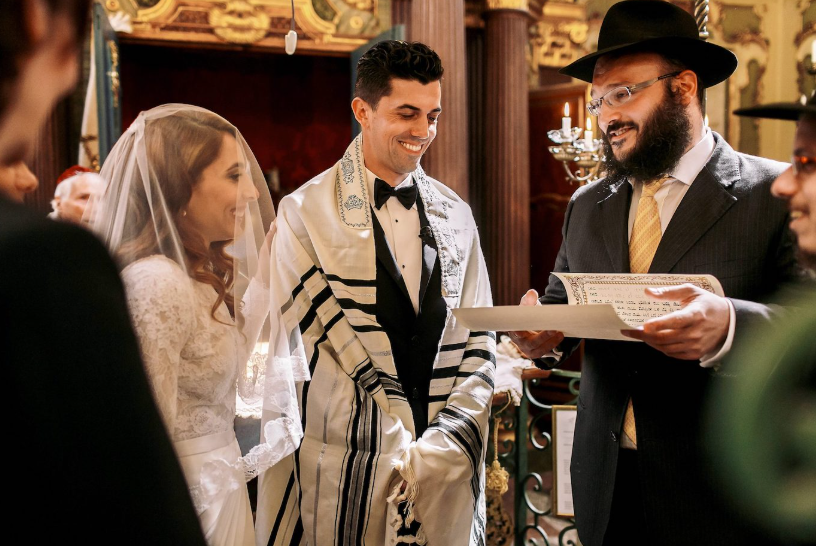
Weddings are always about joy, laughter, and music that makes everyone want to dance. However, if you’ve ever been to a Jewish wedding, you must have noticed the specialty of the songs. The moment the band starts playing Hava Nagila or someone shouts Mazel Tov!, the room just lights up immediately!
This is because these tunes aren’t merely background music. They carry history, meaning, and generations of memories for the Jewish community of NYC.
So, let’s take a trip back in time and learn where some of the most popular songs in Jewish wedding music in NYC come from and why they still play such a big part in celebrations today.
Hava Nagila Jewish Wedding Music in NYC
Where It All Began
Hava Nagila is one of the happiest songs you’ll ever hear at a Jewish wedding. The moment it starts, people join hands, lift the couple on chairs, and dance with huge smiles. But behind this tune is an interesting story that goes back over a hundred years.
The melody is believed to have started as a Hasidic folk tune in Eastern Europe, most likely in Ukraine. Jewish families used to sing it at joyful gatherings, and when they later moved to Palestine in the early 1900s, they brought this melody along to keep their traditions alive.
How It Became “Hava Nagila”
In 1918, a music teacher named Abraham Zevi Idelsohn decided to give this old tune new life. He added Hebrew words and called it Hava Nagila, which means “Let us rejoice.” The timing was perfect. People were looking for hope and happiness after the First World War, and this song represented that feeling beautifully.
Spreading Joy Around the World
From there, Hava Nagila became more than just a Jewish celebration song. It started showing up at events all over the world. Singers like Harry Belafonte, Connie Francis, and even Bob Dylan performed it, helping the song reach audiences everywhere. Its catchy rhythm and simple melody made it easy for anyone to sing and dance along without needing any translation.
Its Relevance Today
What makes Hava Nagila special is how it brings people together. At weddings, the Jewish wedding music builds, the crowd forms a circle, and everyone unites in the same thoughtful moment. Even today, when those first notes play, people can’t help but smile and dance.
Mazel Tov
Meaning Behind the Phrase
For generations, the words Mazel Tov have filled Jewish celebrations with joy. Most people know it as a cheerful way to say “Congratulations!”, but the phrase has deeper roots. In Hebrew and Yiddish, mazel once meant “constellation” or “star,” reflecting an old belief that our luck or destiny was written in the stars. So when someone said Mazel Tov, they were wishing good fortune and success for the future.
Klezmer Origins
Historically, Mazel Tov songs were performed by klezmorim, the Jewish folk musicians from Eastern Europe. They used violins, clarinets, and accordions to create upbeat and emotional music. This combination of energy and warmth at the same time is what gave Jewish wedding music in NYC its signature sound.
Modern Celebrations
Today, Mazel Tov continues to bring people together in joy. A lot of modern bands and DJs combine old melodies with modern beats, in the hopes of filling every celebration with love and happiness.
Shalom Aleichem
For centuries, Shalom Aleichem has been a song of peace and connection. The phrase itself means “Peace be upon you,” and people have long used it to greet others with kindness and respect. At first, people didn’t sing it at weddings. The song was supposed to be for Friday evenings to welcome the Sabbath, the sacred time of rest and reflection for Jewish families.
How It All Began
The song is believed to have originated in the 17th century among Jewish communities in Eastern Europe. Families would gather around their tables, light candles, and sing Shalom Aleichem to invite peace into their homes. Its soft, flowing melody brought a feeling of comfort and unity after a long week. With time, its soft tune spread from home to home and became one of the most familiar and loved pieces in Jewish wedding music.
See also: The Ultimate Guide to Buying Lantern Rooflights Online
A Song Finds Its Place in Weddings
As time went on, Shalom Aleichem made its way into weddings. People started realizing how perfectly its peaceful tone fit into such an emotional day. It wasn’t the kind of song that got everyone clapping and spinning in circles like Hava Nagila or Mazel Tov, and had a deeper meaning.
The song was sung before the ceremony began or during moments of blessing, to wrap up the couple and their guests in a sacred feeling of hope. It became a beautiful way to remind everyone that a strong marriage begins with patience and understanding.
Your Wedding Deserves the Best
All in all, Jewish wedding music in NYC brings every wedding to life, and each song adds meaning to the celebration. To make these moments even more special, you need a DJ who knows how to keep the energy flowing and the crowd smiling. Book Levyticus today!