What to Eat on Semaglutide for Better Weight Loss Results?
Starting semaglutide often brings one big question: what to eat on semaglutide to get the best weight loss results. Since this medication reduces appetite and slows digestion, your eating habits naturally change. But the foods you choose still play a major role in how well your body responds and how steady your progress feels.
When food intake becomes smaller, quality matters more than quantity. Every meal should provide real nutrition that supports energy, metabolism, and muscle health. Many people find that when they follow a structured approach, their journey becomes easier and more predictable. Zealthy focuses on helping individuals understand these eating changes in a simple, practical way so they can stay consistent without confusion.
How Semaglutide Changes Your Eating Pattern
Semaglutide works by affecting hunger hormones and slowing how quickly food leaves your stomach. This means you feel full sooner and stay full longer, which naturally reduces overall food intake. Because of this, eating habits shift without requiring strict dieting.
However, this also means your body gets fewer calories, so food quality becomes extremely important. A balanced semaglutide diet plan ensures that even smaller meals provide enough protein, vitamins, and minerals to support daily needs. Zealthy highlights that this balance helps prevent fatigue and keeps weight loss steady over time.
When meals are structured correctly, semaglutide feels easier to manage and side effects like nausea or tiredness often become less noticeable.
What to Eat on Semaglutide for Best Results
Choosing what to eat on semaglutide should focus on nutrient-rich foods that support fullness and steady energy. Protein is the most important part of your meals because it helps protect muscle mass and keeps hunger under control. Options like eggs, chicken, fish, Greek yogurt, tofu, and lentils are all excellent choices.
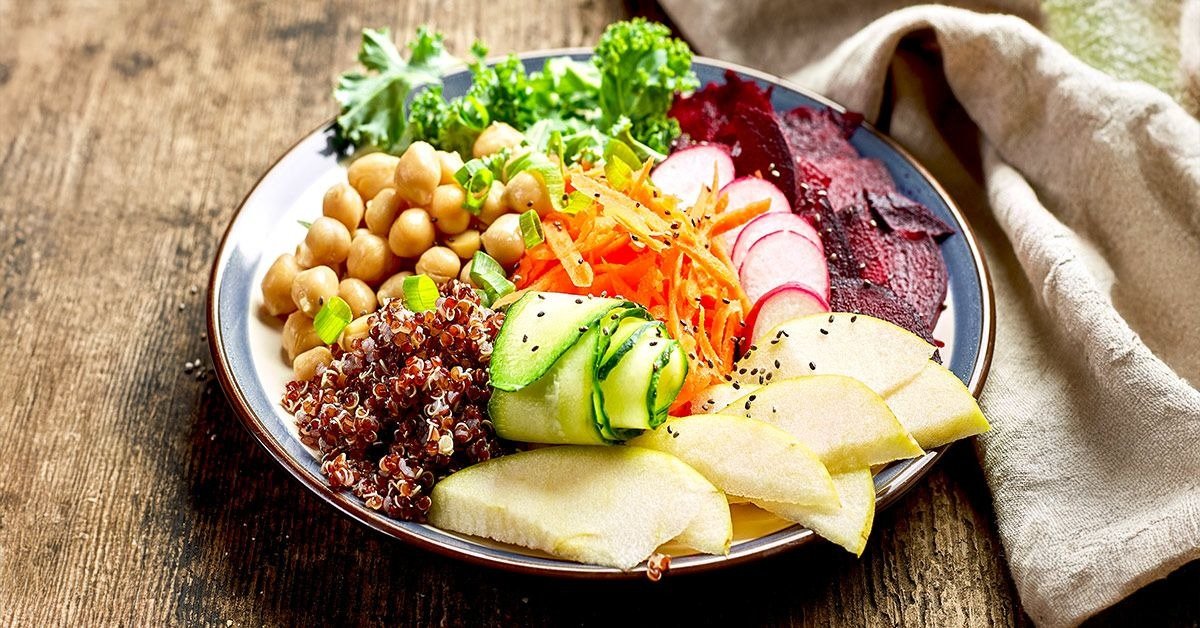
Vegetables should also be a daily priority because they provide fiber, antioxidants, and digestive support. Foods like spinach, cucumbers, broccoli, carrots, and zucchini are gentle on the stomach and help maintain regular digestion. Fruits such as berries, apples, and pears offer natural sweetness without heavy sugar spikes.
Healthy fats also play a helpful role in a semaglutide diet plan. Avocados, nuts, seeds, and olive oil add satisfaction to meals and support hormone balance. Zealthy emphasizes that combining these food groups helps create meals that are both light and nourishing.
Hydration is equally important. Drinking enough water supports digestion, reduces side effects of semaglutide, and helps the body adjust more smoothly to the medication.
Foods to Eat on Semaglutide for Steady Weight Loss
The best foods to eat on semaglutide are simple, whole, and easy to digest. Cooked vegetables, grilled proteins, light soups, oats, and whole grains work well because they provide steady energy without overwhelming your stomach.
Smaller, balanced meals tend to work better than heavy portions. Since appetite is reduced, your body benefits more from nutrient-dense foods rather than large quantities. Zealthy often highlights that consistency matters more than perfection when building long-term habits.
When meals are kept simple and balanced, digestion improves and energy levels stay more stable throughout the day. This also helps reduce cravings for processed or sugary foods over time.
Building a Simple Semaglutide Diet Plan
A practical semaglutide diet plan does not need to be complicated. Most people do well with three light meals per day, adjusted based on hunger levels. The key is to include protein, fiber, and healthy fats in each meal while keeping portions comfortable.
Breakfast might include eggs with vegetables or yogurt with fruit. Lunch and dinner can follow a similar pattern with lean protein, cooked vegetables, and a small portion of whole grains. Zealthy encourages a flexible approach so eating never feels forced or stressful.
The goal is to support your body while it adapts to lower appetite levels. Over time, this structure helps create a natural rhythm that supports steady weight loss and better energy balance.
Foods to Limit While Using Semaglutide
While focusing on what to eat on semaglutide, it is also important to be mindful of foods that may slow progress. Highly processed meals, sugary drinks, fried foods, and refined carbohydrates can make digestion harder and reduce the effectiveness of your routine.
These foods can also trigger cravings and energy fluctuations, which may feel more noticeable when appetite is already reduced. Keeping them occasional rather than regular helps maintain better balance.
Zealthy encourages choosing whole foods most of the time so your body can respond more effectively to semaglutide and maintain steady progress without unnecessary discomfort.
See also: Healthy Living: Top Reasons Early Anxiety Treatment Makes Life More Enjoyable
Common Mistakes People Make on Semaglutide
One common mistake is not eating enough protein. Since appetite is lower, many people unintentionally reduce protein intake, which can affect energy and muscle maintenance. Another mistake is skipping meals completely, thinking it will speed up weight loss. In reality, this can lead to low energy and poor nutrient balance.
Eating too quickly is another issue. Because digestion is slower on semaglutide, rushing meals can lead to bloating or discomfort. Taking time with meals allows your body to adjust more smoothly.
Zealthy often reminds users that consistency and balance are more important than strict dieting rules when using semaglutide.

Long-Term Eating Habits for Better Results
The purpose of learning what to eat on semaglutide is not only short-term weight loss but also building habits that last beyond medication use. Over time, your body naturally adjusts to smaller portions and more balanced meals.
Many people notice that cravings for processed foods decrease and preference for lighter meals increases. This is one of the most valuable long-term changes that happens with consistent habits.
Zealthy supports this transition by encouraging realistic eating patterns that feel natural and sustainable. When food choices become simple and consistent, maintaining weight becomes much easier.
Conclusion
Knowing what to eat on semaglutide plays a major role in achieving steady and comfortable weight loss. While the medication helps control appetite, your daily food choices determine how well your body responds and how sustainable your progress becomes.
A balanced semaglutide diet plan that includes protein, fiber, healthy fats, and proper hydration supports better energy, digestion, and results. Zealthy focuses on helping people build these simple habits so their journey feels manageable and effective.
When eating becomes structured yet flexible, semaglutide works more smoothly and long-term results become easier to maintain.
FAQs
1. What to eat on semaglutide for best results?
Lean protein, vegetables, whole grains, and healthy fats support steady weight loss and better energy levels.
2. Do I need a strict diet on semaglutide?
A balanced semaglutide diet plan works better than strict restriction since appetite is already reduced.
3. Why is protein important on semaglutide?
Protein helps preserve muscle, supports metabolism, and keeps you full for longer.
4. What foods should I avoid on semaglutide?
Limit processed foods, sugary drinks, fried items, and refined carbohydrates.
5. How does Zealthy support semaglutide users?
Zealthy helps guide simple, realistic eating habits so users understand what to eat on semaglutide for steady and sustainable results.